Gold Vermeil Versus Plating - Which Wears Best?
A new gold necklace can look luminous under the mirror lights, whether it is gold vermeil or gold plated. The real difference in gold vermeil versus plating tends to show up later: after hand cream, a few rainy commutes, warm holidays, showers and the everyday life your jewellery is actually meant to join.
Neither finish is automatically the right choice for every jewellery box. Vermeil has a precious-metal base and a more specific construction, while standard plating covers a very broad range of qualities. Understanding what sits beneath that golden shine helps you choose pieces that suit your style, skin and routine.
Gold vermeil versus plating: what is the difference?
Gold vermeil is pronounced ver-may. It is jewellery made with a sterling silver base that has been coated in gold. In many jewellery markets, vermeil is expected to have a gold layer of at least 2.5 microns, though exact definitions and labelling standards can vary by country. A micron is one thousandth of a millimetre, so this may sound small, but thickness makes a meaningful difference to how long a surface finish can retain its colour.
The gold itself is usually 10ct, 14ct or 18ct. Higher-carat gold has a richer yellow tone, while lower-carat alloys are generally harder. Vermeil offers the look and feel of precious materials without the cost of solid gold, making it a lovely choice for occasion pieces, meaningful gifts and designs you plan to wear with a little care.
What does gold plated mean?
Gold plating simply means a layer of gold has been applied over another metal. That base could be brass, copper, stainless steel, sterling silver or another alloy. The gold layer can range from very fine flash plating to a thicker, more durable coating, so the phrase alone does not reveal how a piece will wear.
This is why two gold-plated rings at similar prices can perform very differently. One may be designed for occasional styling, while another uses a high-quality coating over a durable base metal. Ask what the base is, whether the plating thickness is stated, and whether the brand gives clear guidance on skin sensitivity and water exposure.
Gold plating is not inherently disposable. It is a construction method, and its quality depends on the materials and process behind it. The trouble starts when a vague product description asks you to assume premium wear from a finish that is too thin for daily friction.
Why the base metal matters
Sterling silver gives vermeil a precious-metal foundation, but silver can naturally oxidise and tarnish over time. If the gold layer wears through, the silver underneath may develop a softer, cooler appearance and may need polishing.
Stainless steel is a different proposition. High-quality 316L stainless steel is valued in everyday jewellery for its strength, skin-friendly properties and resistance to tarnishing. When paired with a well-applied gold-tone coating, it creates pieces suited to a more carefree, repeat-wear routine. It does not make a coating indestructible, but it does give the jewellery a durable core once life inevitably gets a little busy.
Which one lasts longer?
There is no honest one-line answer. A well-made vermeil piece can outlast very thin gold plating, especially when it is stored carefully and worn away from water, fragrance and exercise. Yet a quality gold-coated stainless-steel piece can be the more practical choice for someone who wants earrings, chains or stackable rings that keep up with daily wear.
How long either finish lasts depends on four things: coating thickness, the base metal, the manufacturing process and where the jewellery is worn. Rings and bracelets receive far more friction than pendants or earrings. An open ring worn while washing hands, typing, cooking and carrying bags will naturally face more wear than a necklace resting against clothing.
Skin chemistry also plays a part. Natural oils, sweat, lotion and perfume can affect a gold finish differently from person to person. This is not a sign that you have done anything wrong. It is simply why one friend may wear a plated ring for years while another sees changes sooner.
The finish can fade, even when the design is worth keeping
Gold vermeil and gold plating are surface layers, not solid gold throughout. Over time, frequent friction can soften their brightness or reveal hints of the base metal beneath. That is normal wear, not necessarily poor craftsmanship.
For a piece you want to wear every day, consider its placement and design as much as its label. Delicate vermeil hoops may be perfect for dinners, office days and gentle weekends. A waterproof, hypoallergenic stainless-steel huggie or tennis bracelet may make more sense for the jewellery you reach for before coffee, Pilates or a spontaneous overnight stay.
Is gold vermeil better for sensitive skin?
Gold vermeil can be a comfortable option because its base is sterling silver, rather than nickel-containing costume-metal blends. Still, sterling silver is typically an alloy, and sensitivities vary. If the gold layer becomes worn, your skin may come into contact with the silver beneath.
For shoppers who have experienced itching or green marks from inexpensive jewellery, look beyond the word gold. Nickel-free construction and a quality base metal matter. 316L stainless steel is widely chosen for its hypoallergenic qualities and is especially appealing for close-fitting earrings, rings and necklaces worn day after day.
If you know your skin reacts easily, choose brands that are direct about their materials rather than relying on a glossy product photo. Clear details are more useful than a precious-sounding name.
The best choice depends on how you wear jewellery
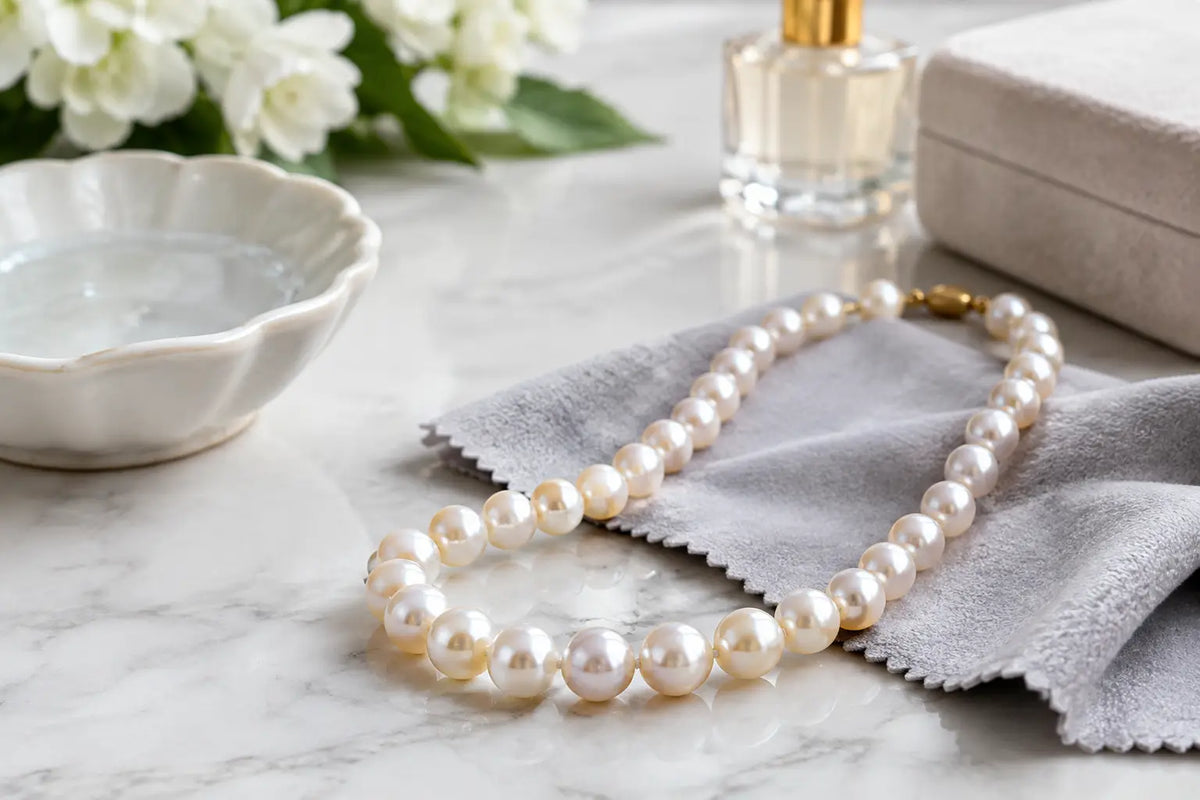
Gold vermeil suits the person who enjoys the romance of sterling silver and gold, and does not mind giving favourite pieces a little extra attention. It can feel beautifully elevated for a pearl pendant, a sculptural statement ring or a gift that marks a moment.
Gold plating covers a wide spectrum, so it deserves a closer look. A thinly plated fashion piece may be ideal for a one-night look or a trend you want to try without overthinking it. A thoughtfully made gold-coated stainless-steel piece is better aligned with a modern jewellery wardrobe: polished enough for dinner, easy enough for the weekday rush and versatile enough to layer on repeat.
For that reason, it can be useful to build your collection around how you live. Choose a few lower-maintenance staples for daily styling - perhaps huggies, a fine chain, a clover bracelet or an adjustable ring - then add vermeil or more delicate pieces when you want a special finish. There is room for both, especially when jewellery is part of how you express your mood.
How to keep gold finishes brighter for longer
Even durable everyday jewellery benefits from small habits. Put jewellery on after perfume, body lotion and hair products have settled. Take rings off for cleaning, gym sessions and heavy lifting, where repeated knocks and sweat are harder on any surface finish.
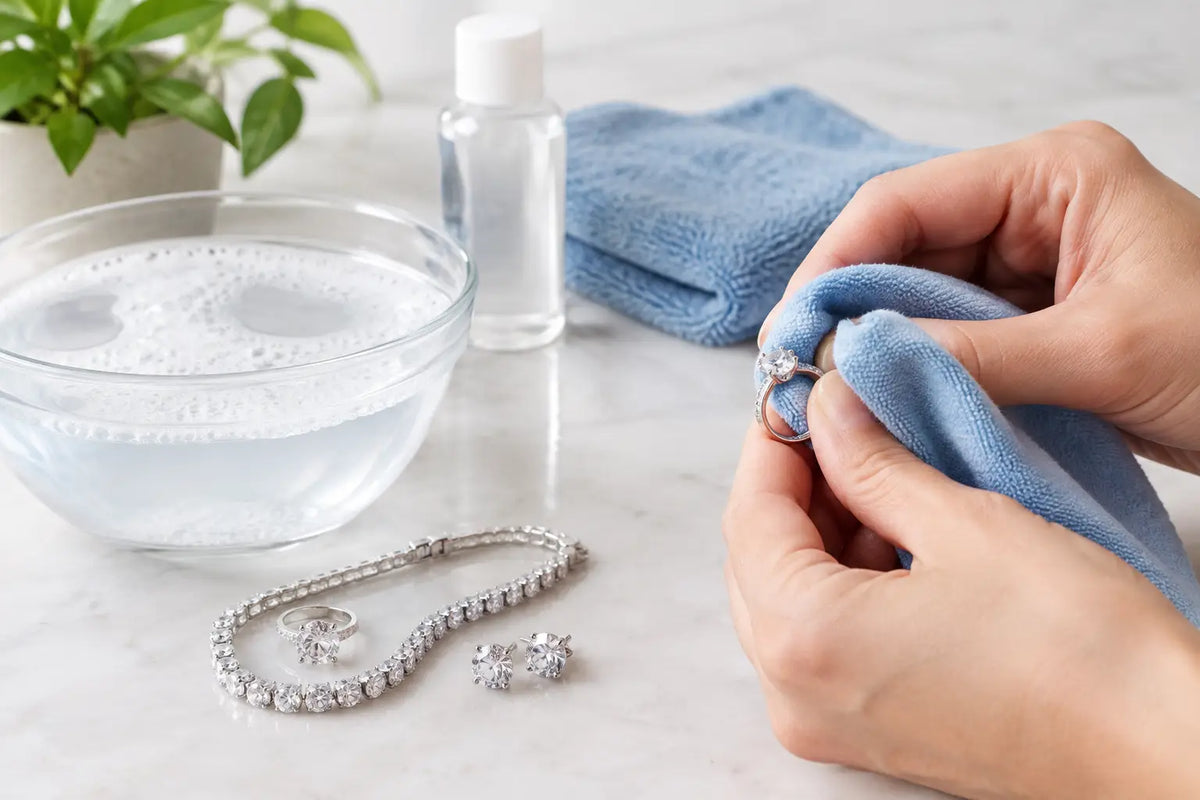
After wearing, a quick wipe with a soft, dry cloth removes oils and residue. Store pieces separately when possible, rather than allowing chains and stones to rub together in a crowded pouch. Avoid harsh cleaning solutions and abrasive cloths, particularly on vermeil, as they can gradually remove the gold layer you are trying to preserve.
If your priority is a low-maintenance golden look, choose jewellery with materials designed around real routines. Moonix uses 316L stainless steel and 5A zircon in polished, feminine designs made for brightening daily styling, without treating every splash of water as a crisis.
The most satisfying jewellery is rarely the piece you save for a perfect occasion. Choose the finish that fits your actual week, then wear it often enough for it to become unmistakably yours.