Gold Plating Versus PVD Coating Explained
A gold-toned ring can look beautifully polished on day one, then tell a very different story after a few weeks of hand washing, perfume and everyday wear. That is why gold plating versus PVD coating matters when you are choosing pieces you want to stack, shower in and reach for again and again.
Both finishes can create that warm, luminous gold look. The difference lies beneath the shine: how the colour is applied, how well it holds up to friction, and what the piece asks of your jewellery routine. Neither is automatically right for every piece, but one is usually better suited to low-maintenance daily styling.
Gold Plating Versus PVD Coating: The Key Difference
Gold plating is traditionally created through electroplating. A thin layer of gold is deposited over a base metal using an electrical current. The result can be bright, smooth and convincingly luxe, particularly when a fresh piece catches the light. It is a long-standing technique used across fashion jewellery and, at different thicknesses, in more premium jewellery too.
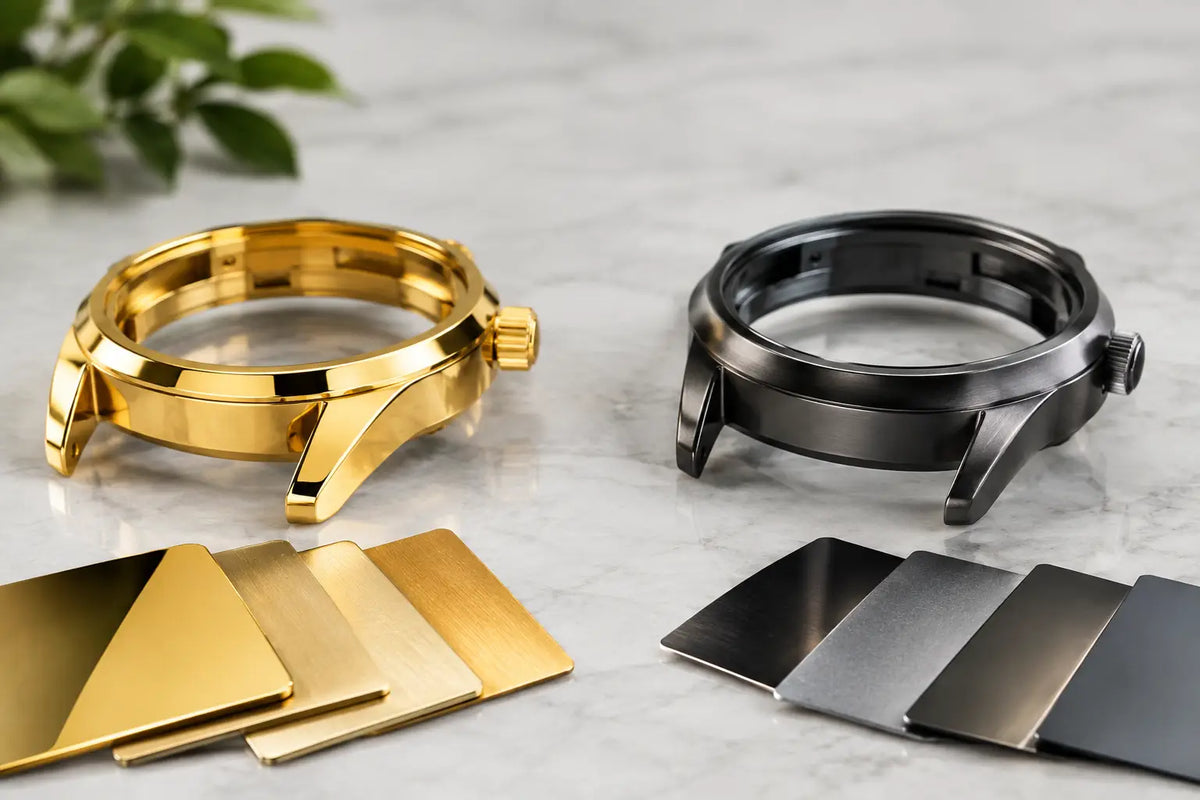
PVD stands for Physical Vapour Deposition. Rather than using an electroplating bath, a coating is formed in a vacuum chamber, where material is vapourised and bonded to the surface of the jewellery. For gold-coloured jewellery, the finish is often made with durable compounds that create a rich gold tone. It is not necessarily a layer of solid gold, so it is worth reading a product description carefully rather than assuming that every gold finish contains the same materials.
The practical distinction is adhesion. A well-applied PVD coating tends to bond more securely to stainless steel than standard fashion plating. That makes it especially appealing for rings, huggies and bracelets, which meet more water, movement and surface contact than a necklace worn over clothing.
Why Durability Is More Than a Finish Name
It would be easy to say that PVD always lasts and gold plating never does. Real life is less tidy. Quality depends on the base metal, the preparation of the surface, the thickness and composition of the coating, and how a piece is worn.
A gold-plated pendant that rests against a blouse may stay lovely for a long time. A delicately plated ring worn while cooking, carrying shopping bags and applying hand cream may fade much sooner, particularly around the underside of the band. That does not mean the ring was poorly designed. It means rings live a harder life.
PVD is generally the more resilient option for frequent wear because it is more resistant to scratching, fading and everyday moisture. It suits the jewellery that becomes part of your routine: a signature pair of hoops, a slim stacking ring, or a bracelet you do not want to remove before every sink-side moment.
Still, “waterproof” should never be read as “indestructible”. Chlorine, strong cleaning products, abrasive exfoliants and repeated contact with perfume can affect any finish over time. A durable coating gives you more freedom, not a reason to treat jewellery as household hardware.
The base metal makes a real difference
The coating is only one part of the piece. Underneath it sits the base metal, and that affects both wear and comfort. Brass and lower-cost alloys are common beneath plated jewellery, but they can be more reactive for sensitive skin and may show through differently as the surface finish wears.
316L stainless steel is a strong choice for everyday fashion jewellery. It is valued for its resistance to corrosion, its smooth polished appearance and its skin-friendly qualities. When paired with a PVD gold coating, it offers the kind of easy, sustained shine that suits an always-on jewellery wardrobe.
For shoppers who have dealt with green marks, irritation or quickly dulling pieces in the past, look beyond the phrase “gold plated”. Check for details such as stainless steel, nickel-free construction and the type of finish used. Specific material information is usually a better sign than vague promises of quality.
Shine, Colour and the Look You Love
Gold plating can have a particularly classic gold appearance, depending on the karat and tone used. Some finishes lean buttery yellow, while others are paler, rosier or more antique in character. It is a versatile way to achieve a detailed, decorative finish, especially on occasion-led pieces.
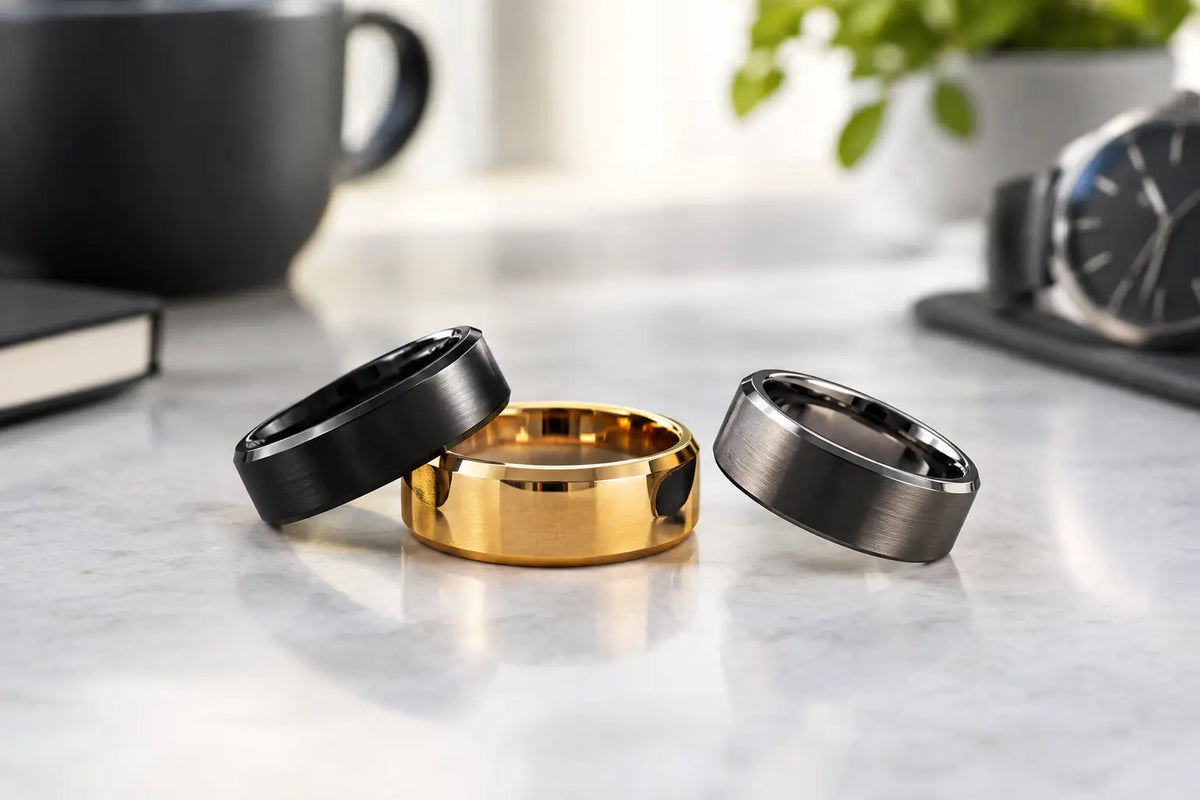
PVD gold finishes are also available in a range of tones, from soft champagne gold to a deeper, more statement-making yellow. The surface often has a crisp, polished clarity that feels modern beside white shirts, knitwear and clean tailoring. It also works beautifully with the slightly more playful details that make daily jewellery personal: a pavé huggie, a clover charm, a pearl accent or a fine tennis-style line of sparkle.
The best choice is not only about which finish lasts longest. Consider your existing jewellery, too. If you wear a warm gold watch every day, choose a gold tone that sits naturally beside it. If your collection is more minimal, a soft gold open ring can give the same polished effect without feeling overly formal.
Which Finish Is Better for Sensitive Skin?
Sensitivity is often caused by the metal touching the skin, especially nickel, rather than gold colour alone. A gold-plated item can be comfortable initially, but if its outer layer wears away, the base metal may become more exposed. That is when some people notice irritation or discolouration.
PVD-coated stainless steel is often a more reassuring option for sensitive ears, fingers and wrists, particularly when the jewellery is clearly described as nickel-free and hypoallergenic. Its stronger surface bond can help keep the underlying metal protected for longer.
There is no universal guarantee, however. Skin reacts differently, and an allergy to a particular metal calls for extra care. If you know you are highly sensitive, choose transparent material details and introduce a new piece gradually before wearing it all day.
When Gold Plating Still Makes Sense
Gold plating is not a lesser choice in every situation. It can be ideal when you want a very specific finish, a bold seasonal shape or an occasion piece you will wear less often. If you love changing your accessories to suit a party, holiday or wedding guest outfit, plated jewellery can offer plenty of style without asking you to commit to one look.
It can also work well for earrings and pendants that receive less friction than rings. The key is to buy with the intended wear in mind. A delicate plated necklace reserved for evenings has different needs from a ring you want to wear through gym sessions, showers and busy weekdays.
For a collection built around repeat wear, PVD-coated stainless steel is usually the more practical foundation. It gives you room to layer a necklace with a pendant, add your favourite huggies, and stack rings without treating every piece as too precious to enjoy.
How to Make Gold-Toned Jewellery Last Longer
Even durable pieces benefit from a little care. Put jewellery on after moisturiser, SPF, perfume and hair products have had a moment to settle. These products can leave a film that softens the brilliance of stones and metal alike.
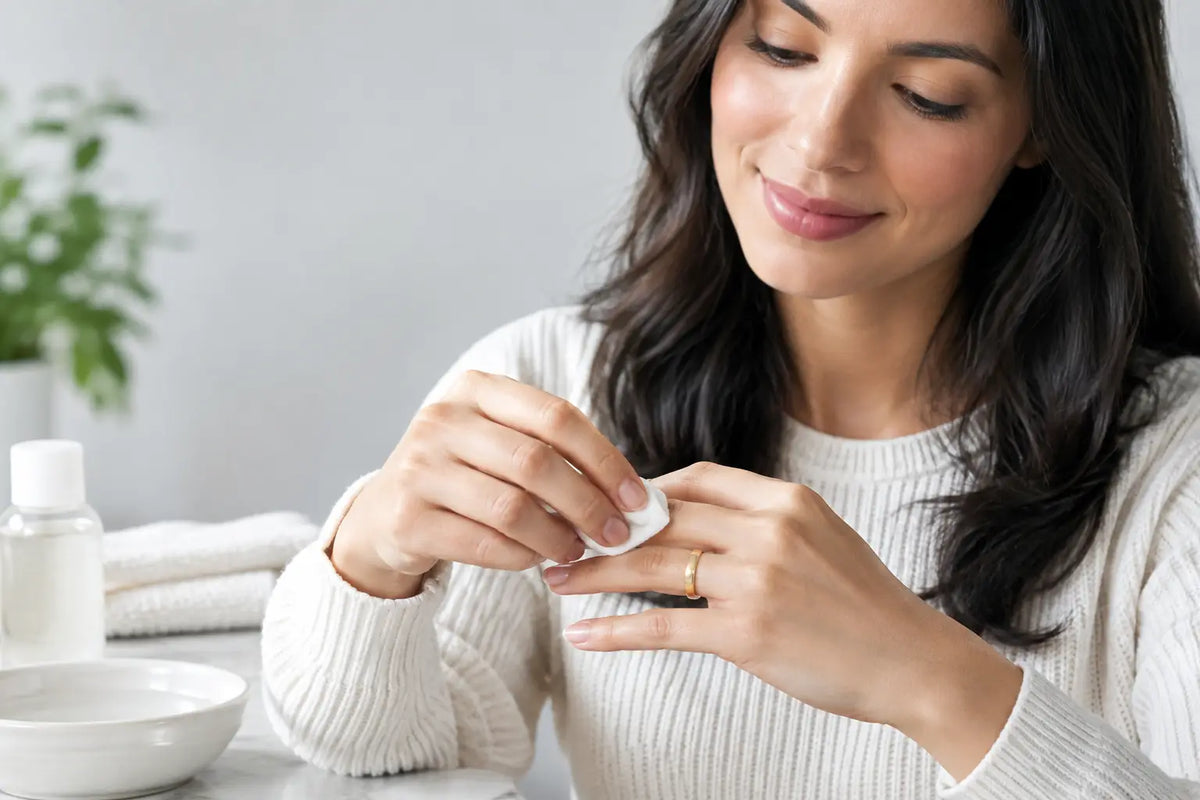
After wearing, wipe your jewellery with a soft, dry cloth before storing it separately from harder pieces that could scratch the surface. Take it off for swimming in chlorinated pools, using bleach or doing anything that brings it into contact with harsh chemicals. If it needs a deeper clean, use mild soap, lukewarm water and a soft cloth, then dry it thoroughly.
This is not about making your jewellery fussy. It is about protecting the bright, polished details that made you choose it in the first place.
The Better Choice for Everyday Jewellery
If you want gold-coloured jewellery for occasional styling, standard gold plating can be a lovely, accessible option. If you want the same ring, bracelet or pair of earrings to keep pace with daily life, PVD-coated 316L stainless steel is generally the smarter investment.
At Moonix, that combination is chosen for jewellery designed to be worn over and over, from stackable bands to bright huggies and easy layering pieces. The aim is simple: elevated shine without the constant worry that comes with fragile fashion finishes.
Choose the finish that matches how you actually wear jewellery, not how carefully you hope to wear it. The best piece is the one that still feels like you after coffee runs, workdays, weekends away and every outfit in between.