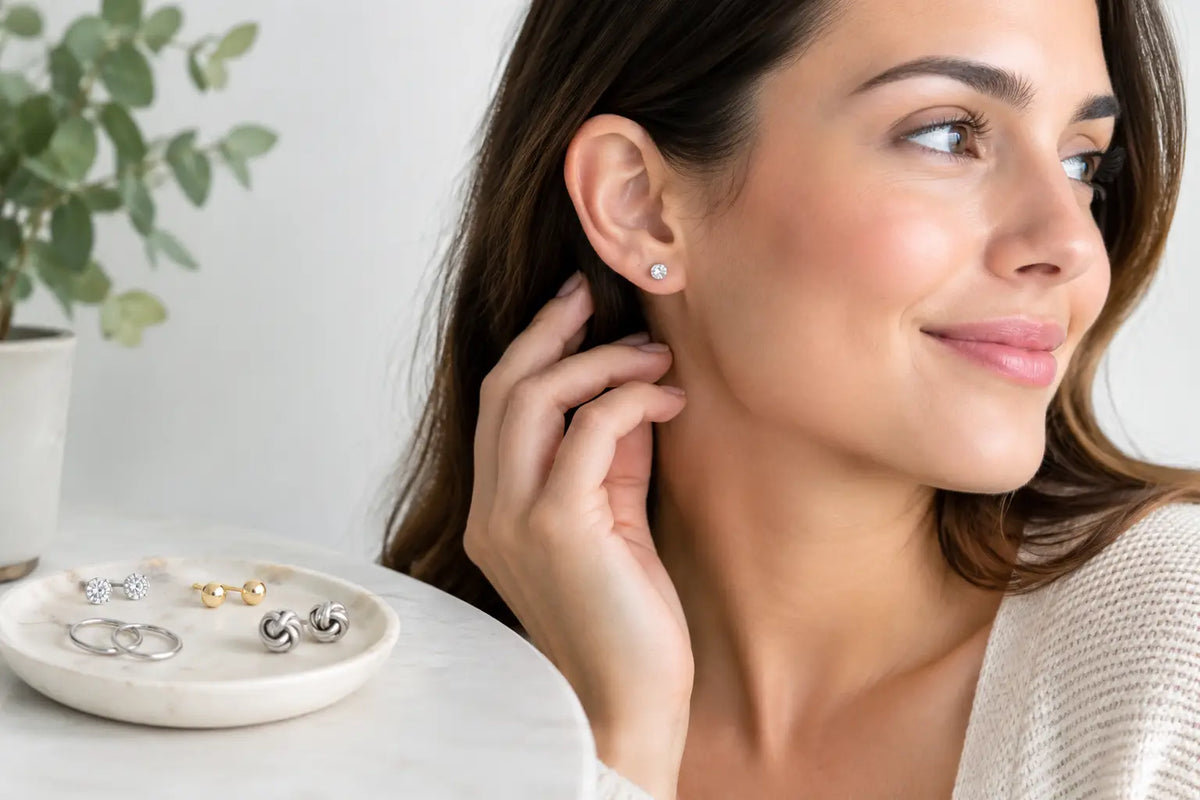
Article: How to Prevent Ring Irritation Every Day
How to Prevent Ring Irritation Every Day
A ring should be the finishing touch to your outfit, not the reason your finger feels itchy, red or uncomfortable by lunchtime. Learning how to prevent ring irritation often comes down to a few considered choices: the material against your skin, the way the ring fits and the moisture or residue that gets trapped beneath it.
The good news is that sensitive skin does not mean giving up on polished stacks, statement shapes or the ring you wear every day. With skin-friendly jewellery, a little care and the right wearing habits, your favourite pieces can feel as effortless as they look.
Why rings can irritate your skin
Ring irritation is not always a true metal allergy. Sometimes it is contact dermatitis caused by a metal in the ring. In other cases, it is simply a reaction to a damp, soapy or sweaty patch of skin that never quite gets the chance to dry.
Hands are washed frequently, moisturised often and exposed to everything from hand sanitiser to washing-up liquid. Water and product can sit between the band and your finger, especially under a close-fitting ring. That trapped moisture can soften the skin and make it more vulnerable to rubbing or irritation.
A ring that is too tight can make the problem worse. It can trap moisture, leave an impression on the skin and create friction when your fingers naturally swell in warm weather, after exercise or during the day. A ring that is too loose has its own drawback: it may twist constantly, rubbing the same area of skin.
Then there is the material itself. Some inexpensive fashion rings use base metals or plating that can wear down quickly. Once the surface changes, the metal underneath may come into closer contact with the skin. For people who are sensitive to nickel, this can be a particular problem.
Choose materials made for everyday wear
The easiest way to prevent ring irritation is to start with a considered material. Look for jewellery described as hypoallergenic and nickel-free, with clear information about what the piece is made from rather than vague claims about being skin-safe.
316L stainless steel is a strong choice for everyday rings because it is durable, resistant to tarnishing and designed to handle regular wear. It also holds up well around water, making it a more practical option than delicate plated jewellery that needs constant removal. Moonix uses 316L stainless steel in its everyday designs, paired with nickel-free, hypoallergenic construction for a polished look that is made to be worn often.
No material can guarantee a perfect experience for every single person. Skin sensitivities vary, and anyone with a diagnosed metal allergy should check the full material details before wearing a new piece. But choosing well-made, skin-friendly jewellery gives you a much better starting point than buying rings with unknown metal content.
It is also worth thinking about the ring's finish and shape. Smooth, polished bands are usually easier to keep clean than deeply textured styles, while open and adjustable rings can offer more flexibility if your fingers tend to swell. Adjustable styles should still sit comfortably rather than being squeezed tightly into place.
How to prevent ring irritation with the right fit
A good ring fit should feel secure but easy. You should be able to slide it over your knuckle with gentle resistance, then move it slightly once it is on. If you need to tug, twist or force it off at the end of the day, it is probably too tight.
Try rings on later in the day if you can. Fingers are often slightly larger after walking, exercising, eating salty food or spending time in warm weather, so a morning-only fit check can be misleading. If you are building a stack, remember that several bands sitting together can feel tighter than one ring worn alone.
Give your skin breathing room, too. Wearing the same ring without a break is not always the best approach if you are prone to irritation. Rotate your rings, especially during hot spells or active days, and choose a lighter, smoother style when your hands need a rest.
If a ring has suddenly become snug, do not ignore it. Swelling can happen for many everyday reasons, but a tight band can quickly become uncomfortable. Remove it early rather than waiting for your finger to become sore or difficult to free.
Keep the ring and your hands clean and dry
Even waterproof jewellery benefits from regular cleaning. The aim is not to turn ring care into another task on your list. It is simply about removing the film of soap, lotion, sun cream and natural oils that can collect where the ring meets the skin.
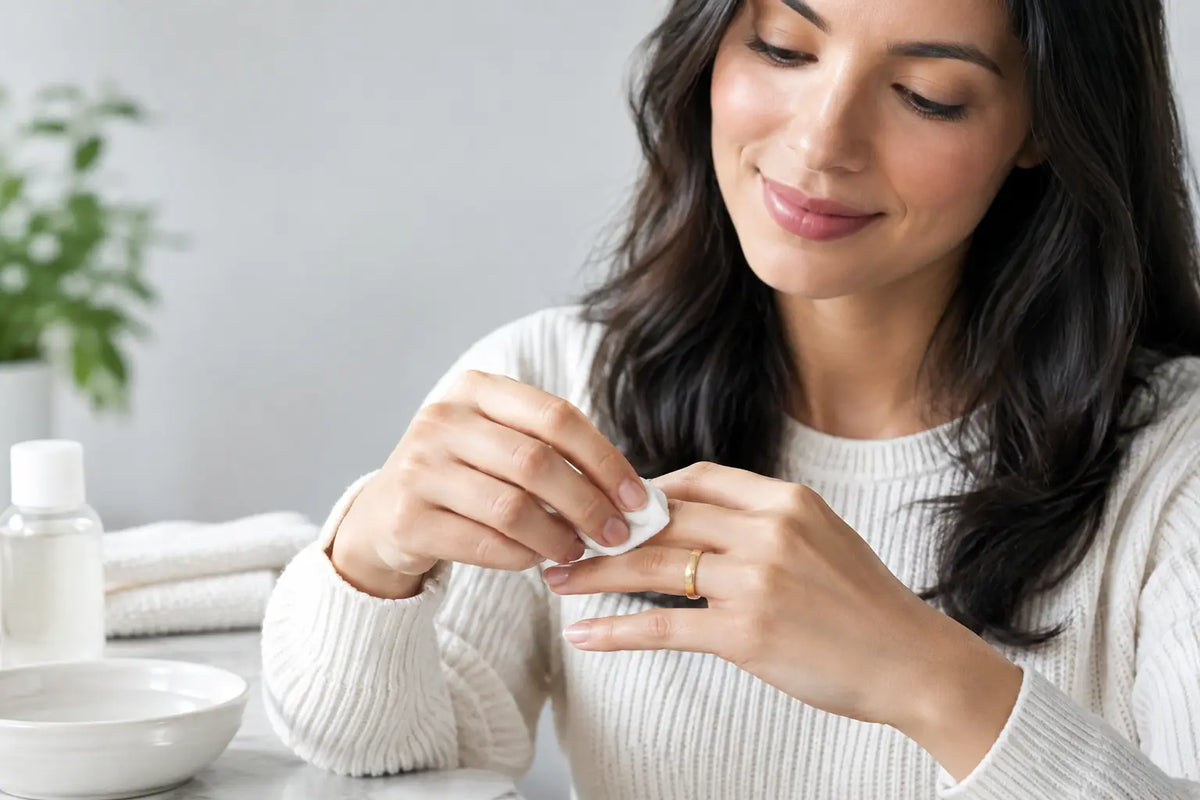
After washing your hands, dry around and beneath your rings properly. This small habit matters more than most people realise. Take the ring off briefly, pat your finger dry and make sure the inside of the band is dry before putting it back on.
A gentle clean every week or two is usually enough for everyday pieces. Use lukewarm water, a little mild soap and a soft cloth, then rinse and dry thoroughly. Avoid harsh household cleaners, abrasive powders and rough brushes, which can leave residue behind or dull a polished finish.
Hand cream is another common culprit. There is no need to skip your favourite moisturiser, especially when dry skin can make irritation feel worse. Apply it, let it absorb for a minute or two, then put your rings back on. The same applies to body lotion, fake tan and SPF: give products time to settle before jewellery goes on.
Know when to take your rings off
Waterproof, tarnish-resistant rings are designed to make daily styling feel lower maintenance, not to demand a jewellery-free life. Still, there are moments when removing a ring is the kinder choice for your skin.
Take it off before applying strong cleaning products, gardening with soil or chemicals, and any activity where sweat and friction are likely to build up beneath the band. If you are washing up for a while, your ring may be fine from a material perspective, but your skin may not enjoy being kept damp under it.
It can also help to remove rings before bed if you have noticed overnight itching or redness. Skin is warmer under bedding, and a little swelling during sleep is normal. Giving your hands a few ring-free hours can prevent a minor irritation from becoming a recurring issue.
For gym sessions, the decision depends on the workout. A delicate ring may be safer stored away during weight training, while a smooth stainless steel style may be comfortable for a gentle walk. Let comfort lead: if the band feels tight, sweaty or distracting, take it off.
Avoid quick fixes that hide the problem
A common tip is to paint the inside of a ring with clear nail varnish to create a barrier. This can be a short-term workaround for an occasional piece, but it is not an ideal long-term solution. The coating can chip, trap residue and need frequent reapplication. More importantly, it does not address whether the ring is the right material or fit for daily wear.
Likewise, do not keep wearing a ring through persistent itching just because the rash looks mild. Continued contact can make skin more reactive. Remove the ring, wash and dry the area gently, and allow the skin to settle before trying the piece again.
If irritation returns every time you wear a particular ring, retire it from close skin contact. You may be able to wear it on a different finger, over a glove for a special occasion, or simply choose a similar style in a more suitable material instead.
When irritation needs more than a jewellery change
A little redness that disappears after a ring-free day may be caused by trapped moisture or friction. But a rash that is painful, cracked, blistered, swollen or slow to clear deserves proper attention. Speak to a pharmacist, GP or dermatologist, particularly if you suspect an allergy or have eczema.
Avoid putting a ring back on broken skin. Let the area heal fully, then reintroduce jewellery gradually with a clean, comfortable, skin-friendly band. It may feel disappointing to pause your favourite stack, but it is far easier than dealing with a flare-up that lingers.
Your everyday rings should brighten your daily styling, from a simple workwear look to a dressed-up evening stack. Choose gentle materials, keep them clean, give your fingers room and listen when your skin asks for a break. Comfort is not separate from great style - it is what makes a piece truly easy to wear again and again.