Jewellery Allergy Symptoms and What to Do
A new pair of huggies should brighten your outfit, not leave your earlobes itchy by lunchtime. Jewellery allergy symptoms are frustrating precisely because they can appear around pieces you love to wear - a favourite ring, an everyday chain or a bracelet you rarely take off. The good news is that irritation is often a useful clue: your skin may be reacting to a metal, trapped moisture, product build-up or friction, rather than jewellery itself as a whole.
Understanding that difference makes it much easier to choose polished, daily pieces that feel as good as they look.
What do jewellery allergy symptoms look like?
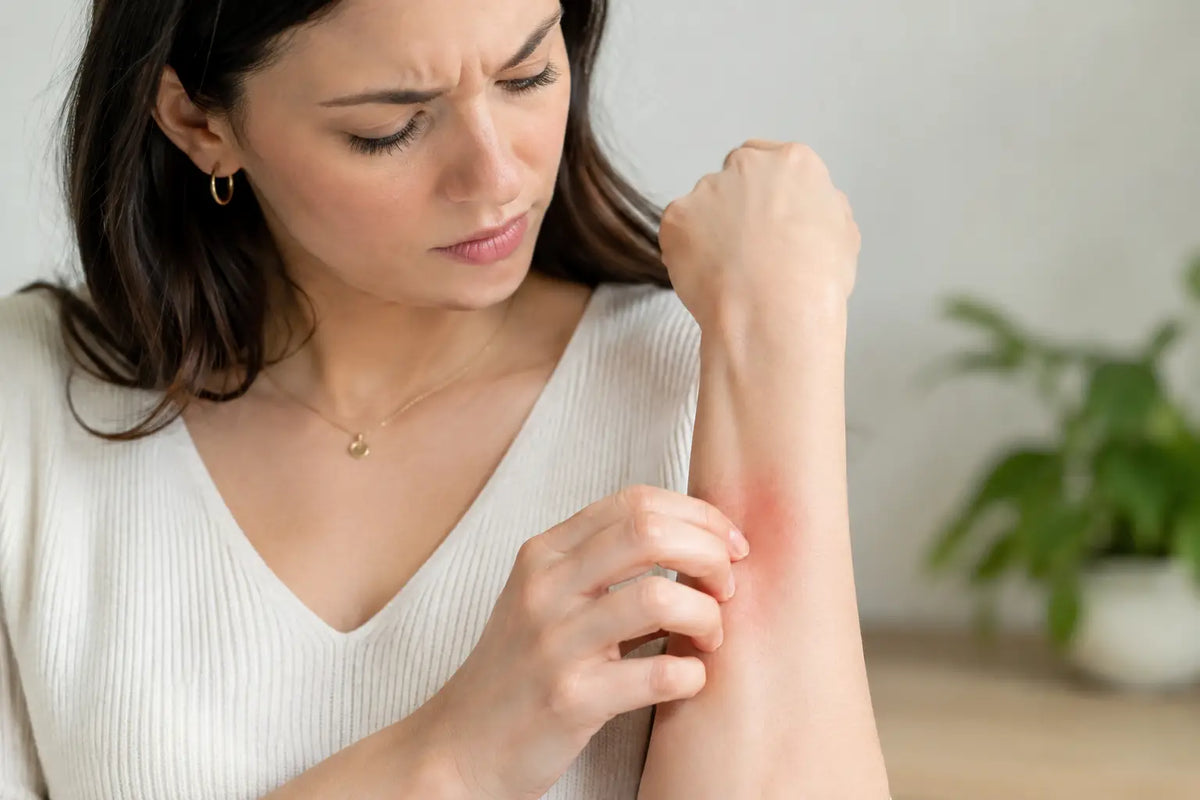
A jewellery allergy is most often a form of contact dermatitis. It happens when your immune system reacts to a substance touching the skin, commonly nickel. Symptoms can emerge within hours, but they may also take a day or two to become obvious. With repeated exposure, a reaction may return more quickly or feel more intense.
Common signs include:
- itching, tingling or a burning feeling beneath the jewellery
- redness, dryness or small raised bumps where the metal sits
- a rash that may become scaly, cracked or weepy
- swelling, especially around pierced ears, fingers, wrists or the neck
Jewellery allergy symptoms or simple irritation?
Not every reaction is an allergy. Friction from a close-fitting ring, sweat beneath a necklace, perfume at the collarbone or soap caught under a bracelet can all upset sensitive skin. This is called irritant contact dermatitis. It may settle once you remove the piece, clean the area and give your skin a short break.
An allergic reaction is more likely when the same style repeatedly causes trouble, even when it is clean and worn loosely. Nickel is the most familiar trigger in fashion jewellery, but cobalt, copper and certain plating materials can also cause a response for some people. A piece can look beautifully gold-toned or silver-toned and still contain an alloy your skin does not enjoy.
There is another consideration with earrings. Pain, heat, discharge or spreading redness around a piercing can indicate infection or trauma rather than a metal allergy. New piercings need particular care and should only be fitted with jewellery appropriate for healing, following a professional piercer's guidance.
Why symptoms can appear out of nowhere
You may wear a necklace for months without an issue, then suddenly notice a rash. That does not necessarily mean you have developed an allergy overnight, though it can happen. Plating can wear with time, exposing a different base metal beneath. A tighter fit, warmer weather, exercise, hand sanitiser or a change in skincare can also create the damp, rubbing conditions that make a previously tolerable piece feel uncomfortable.
Rings are a classic example. Water and cleanser can sit underneath the band, while frequent hand washing can dry the skin and weaken its natural barrier. If your finger is irritated, even a skin-friendly ring may sting for a while. Let the area recover before testing any jewellery again.
It is also worth checking the details people forget: earring posts and butterfly backs, necklace clasps, watch straps, charms that rest against the wrist, and the inside of an adjustable ring. One small component can be the real culprit.
What to do when your skin reacts
First, remove the jewellery and gently wash the area with lukewarm water and a mild, fragrance-free cleanser. Pat dry rather than rubbing. Avoid wearing the piece again until the skin has fully settled, and resist the temptation to keep checking it against the same sore patch.
For mild irritation, keeping the area clean, dry and free from fragrance-heavy products may be enough. A pharmacist can advise on suitable treatments for contact dermatitis, particularly if the skin is itchy or inflamed. If symptoms are severe, persistent, recurrent or affecting a large area, arrange an appointment with a GP or dermatologist. Patch testing can help identify the specific allergens involved, so you are not left guessing at every jewellery purchase.
Seek urgent medical advice if you experience facial or throat swelling, breathing difficulties, widespread hives, fever, significant pain, pus or rapidly spreading redness. These are not symptoms to manage with a jewellery swap alone.
Choosing jewellery for sensitive skin
Once your skin is calm, material choice is the most practical place to start. Look beyond a broad label such as “gold” or “silver” and check what the piece is actually made from. A thin plated finish over an unknown alloy can be less predictable for sensitive skin, especially after frequent wear.
Quality stainless steel, titanium, niobium and solid precious metals can be better options, but there is no universal best metal. It depends on your known triggers, the quality of the alloy and whether a piece has a coating or plated surface. If nickel sensitivity is a concern, choose clearly labelled nickel-free jewellery rather than assuming that all stainless steel or gold-coloured pieces are safe for you.
For everyday styling, 316L stainless steel is valued for its smooth finish, strength and resistance to tarnishing. When it is nickel-free and made for skin-friendly wear, it can be a lovely choice for stackable rings, close-fitting huggies and necklaces designed to stay in your rotation. Moonix uses nickel-free 316L stainless steel across its daily jewellery, pairing a refined finish with the low-maintenance practicality many sensitive-skin shoppers want.
“Hypoallergenic” is helpful, but it is not a medical guarantee that nobody will react. Think of it as a considered material choice, not a promise that overrides your own sensitivities. If you know you react to certain metals, read material information carefully and test a new piece for a short period before wearing it all day.
Small habits that keep jewellery kinder to skin
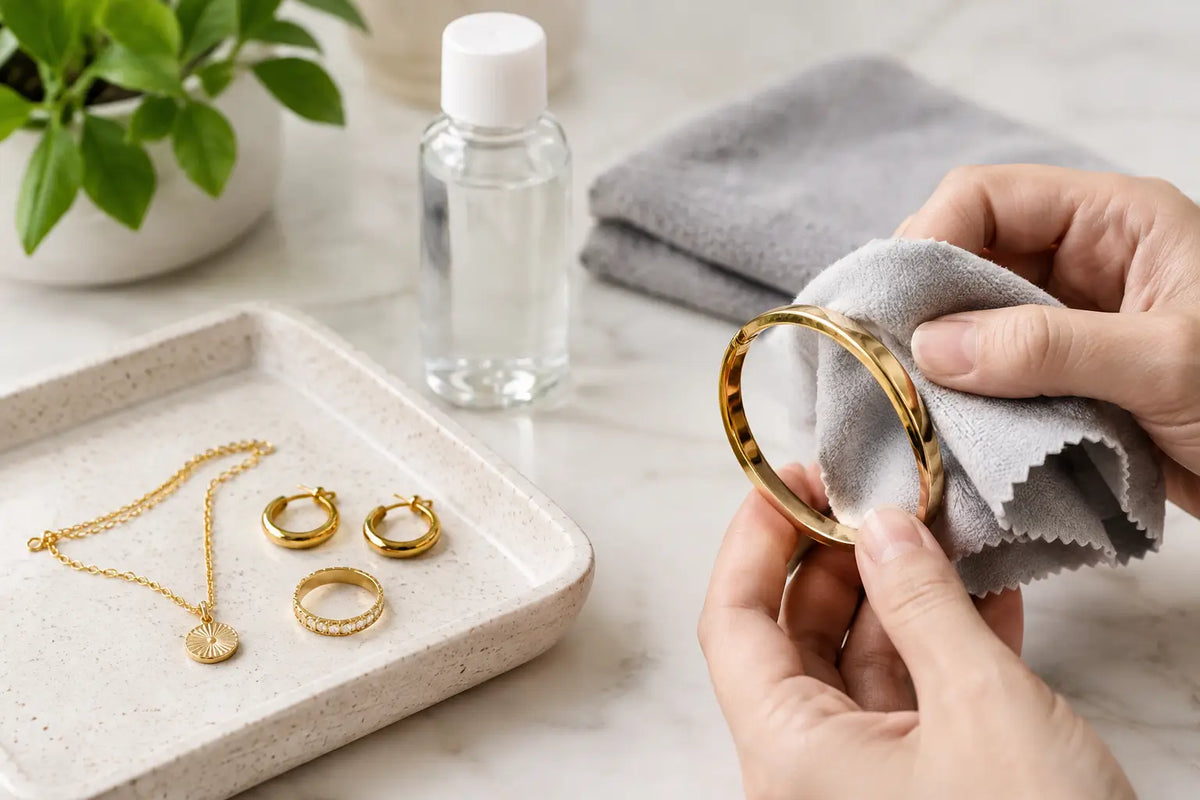
Even the right metal benefits from a little care. Put jewellery on after perfume, body lotion, hairspray and SPF have dried, particularly around the neck and ears. Clean pieces regularly with a soft cloth and mild soap where suitable, then dry them thoroughly. This removes sweat, skincare residue and everyday grime that can sit against the skin.
Give close-contact pieces a break if you have been swimming, exercising or doing a long day of hand washing. Waterproof jewellery is wonderfully practical, but dry skin still appreciates a moment to breathe. Rotate your rings and earrings when you can, especially if one spot is already tender.
Fit also matters more than it seems. An adjustable ring that is pinching, a necklace clasp that keeps turning into the same sensitive area or earrings with rough backs can create irritation without any allergy being involved. Comfortable jewellery should sit beautifully, not demand your attention.
When it is time to retire a piece
A piece that repeatedly leaves a rash is not worth pushing through for the sake of an outfit. If the plating is visibly worn, the surface feels rough or the item has become difficult to clean, it may be time to replace it. This is especially true for earrings, where the post and backing need to stay smooth and hygienic.
Choosing a small edit of reliable, skin-friendly staples can make daily styling simpler: huggies that stay comfortable from desk to dinner, a fine chain that layers without irritation, and rings designed for the hand-washing reality of everyday life. Your jewellery should feel like an easy finishing touch - bright, personal and ready to be worn over and over.